Silly Shepherds · About a 10-minute read
She was in the back seat. Twelve weeks old. She had never been this far from home.
And she whined. Nothing loud or dramatic — just that soft, heartbreaking sound of a puppy leaving her mom, her littermates, and everything she knew behind. All the way from the breeder in the northern Netherlands to our home in Kerkrade. More than two hours in the car. We felt every minute.
It sounded like homesickness with a puppy voice. Her entire familiar world had disappeared in a single car ride.
Ayla was waiting at home.
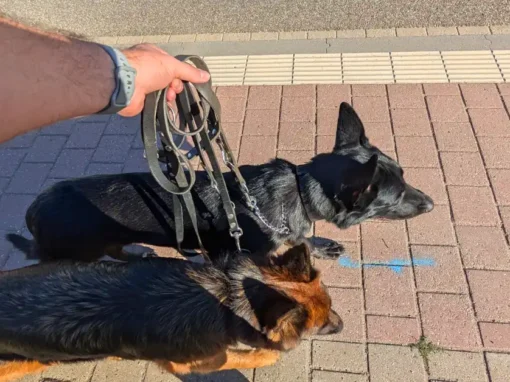
And Ayla was ready to… completely ignore Zara. No greeting. No friendly sniff. No sudden motherly instinct. Just: you do not exist.
It took almost two months before Ayla started seeking out more contact on her own. That was her pace. Some dogs become close friends. Others mostly live peacefully alongside each other. Either can work.
But that first week? Zara had us.
And a whole new world to figure out.
This is what we learned from our first week with Zara.
When Should You Bring Your Puppy Home? Age Matters
Zara was twelve weeks old when we brought her home. That worked well for her, partly because she had grown up with a breeder who put real time into her care and early experiences.
Many puppies go to their new homes around eight to ten weeks old. There is no single perfect pickup age for every puppy and every litter.
Minimum legal ages also vary by country and region. Check the requirements where you live, and discuss your puppy’s readiness with the breeder and your veterinarian.
Extra time with mom and littermates can help puppies learn canine communication and bite inhibition. But staying longer does not automatically mean a better start.
The early weeks are an important period for learning about the world. If your puppy stays with the breeder longer, ask what happens during that time.
Does the puppy meet different people? Hear everyday household sounds? Experience different surfaces, gentle handling, grooming, and safe outdoor environments?
Age matters. So does what happens at that age.
Agree on a pickup date with the breeder based on your puppy’s development and the quality of the care and socialization they receive.
The Ride Home — Your First Big Moment Together
People underestimate that car ride.
For many puppies, it is their first major separation from everything familiar. No mom. No littermates. Just you — someone they barely know — and a moving metal box full of unfamiliar sounds and smells.
Use an appropriate travel crate or a properly fitted car harness designed to secure your puppy in the vehicle. Someone can sit nearby for reassurance, but your puppy should never ride loose on a lap.
Bring towels, water, and cleaning supplies. Puppies can get carsick. They can also have accidents.
A few other things can help.
Bring Something That Smells Like Home
Ask the breeder whether you can leave a small blanket or cloth with the litter before pickup.
That familiar scent can provide comfort during the ride and the first nights at home. Supervise its use if your puppy is likely to chew or swallow pieces.
Sit Nearby, If You Can
If someone else can drive, sit in the back near your safely secured puppy.
You do not need to hold them or keep them entertained. Sometimes just being there, with a calm voice, helps.
Keep the Ride Calm
Skip the loud music. Drive smoothly. Avoid sudden braking whenever possible.
Quiet, steady, predictable.
Whining during the first ride is not unusual. Your puppy may feel uncertain, tired, carsick, or overwhelmed.
Stay calm, but check their needs too. Are they too warm? Do they need a potty break? Are they showing signs of motion sickness?
Coming Home — The First Few Hours
The temptation is enormous.
The kids want to cuddle. The neighbors want a look. The whole family has already texted.
Save the welcoming committee for later.
Those first few hours belong to your puppy.
Let them explore one quiet, puppy-proofed room at their own pace. Give them choices within that safe space, and supervise.
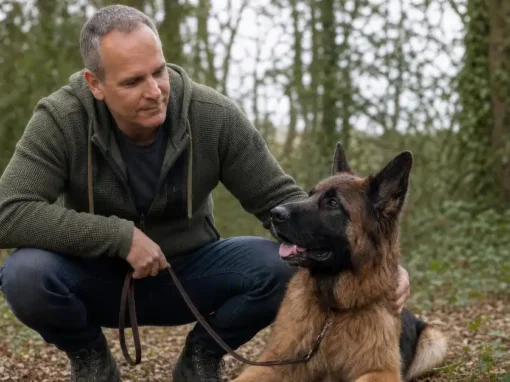
Sit on the floor. Make yourself approachable. Let the puppy come to you.
Children can be involved, but calmly and under supervision. Have them sit quietly and wait for the puppy to approach. No chasing, grabbing, or passing the puppy around.
We had another factor to consider: Ayla.
Having a dog already at home does not guarantee a warm welcome. Ayla completely ignored Zara during that first week.
No aggression. Just: you are not here.
In our case, that gave them room to settle without forcing a relationship. Two dogs sharing a home until Ayla was ready for more.
Introducing Your Puppy to an Older Dog
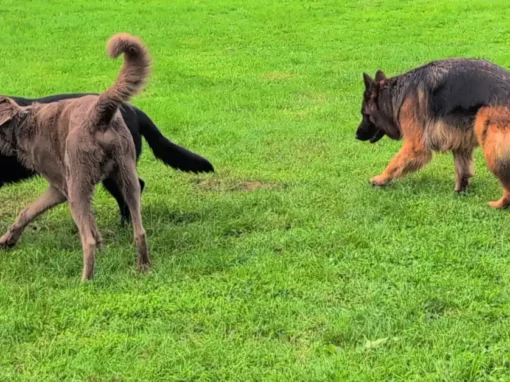
Do not expect love at first sight.
Help the introduction along gently. When appropriate, start outside in a quiet, clean area with little traffic from unfamiliar dogs.
Keep leashes loose. You may be able to walk a short distance in the same direction before allowing closer contact.
Do not force a nose-to-nose greeting.
Indoors, temporarily put away food bowls, chews, and prized toys during introductions. Give both dogs their own resting space.
Protect your older dog from constant puppy attention. They should be able to move away and rest.
Supervise their time together, and keep them safely separated when you cannot watch them. Step in calmly if either dog becomes tense or cannot get away.
A puppy may not yet be fully vaccinated, so a “neutral location” should not mean a busy dog park. Ask your veterinarian about suitable places and local disease risks.
The First Night — Crate or Bedroom?
This is the big debate among new puppy owners.
Everyone has an opinion.
We do too, based on what worked for us.
Zara slept in our bedroom for the first three weeks. Not in our bed, but in a crate beside it.
She could hear us breathing. Smell that we were there.
Was that a carefully planned training decision? Partly.
Honestly, it was practical too. Potty training is easier to manage when you can respond quickly.
Introduce the crate gradually and positively. It should be a comfortable resting place, never a punishment.
A puppy who keeps crying may need to go outside or may be genuinely distressed. Check what they need instead of leaving them to cry for a long time.
A crate can be a useful temporary tool. It should not become a place where a puppy spends hours shut away.
After about three weeks, Zara was finding her routine and making progress with potty training. We gradually moved her to her permanent sleeping area outside the bedroom.
Was that effortless? No.
Sleeping farther away took some adjustment. But the routine and reassurance we had built helped us make the transition gradually.
Our advice: choose an arrangement that works for both you and your puppy.
If you are unsure, having them close by at first can make those early nights easier to manage.
Potty Training — Start Right Away, Keep Your Expectations Realistic
A twelve-week-old puppy has limited bladder control and the impulse control of a flea.
They really cannot hold it for very long.
That is biology.
What helps?
Take your puppy outside after waking up, after meals, and after play. Offer frequent opportunities in between, adjusted to their age and needs.
When in doubt, offer another potty break.
If nothing happens outside, come back in briefly, supervise closely, and try again shortly afterward.
When your puppy finishes going outside, reward them immediately and calmly. A little praise and a treat can make the connection clear.
If you want to use a potty cue, introduce the same simple phrase as they begin going. Over time, it can become associated with the action.
An accident indoors?
No punishment. No rubbing their nose in it. No angry voice.
Clean it up without drama, preferably with an enzymatic cleaner designed for pet accidents.
Punishment does not teach a puppy where to go. It can teach them that going near you is risky.
With Zara, it took about three weeks before the routine started to click.
Some puppies catch on sooner. Others need longer. Understanding the routine and being reliably house-trained are also two different things.
Keep helping them succeed.
Socialization — One of Your Best Investments
Socialization starts before your puppy comes home.
The first few months are especially important. Later learning still matters, but unfamiliar experiences may require more careful support.
What your puppy learns about the world during this early period can shape how they respond to it later.
That sounds like a lot of pressure.
In practice, it means